
Mr. Olgun joined HAUS in 2014. After working for 3 years in different divisions of the sales department in HAUS Istanbul office, he was appointed as the Southeast Asia Regional Manager in 2017 and moved to Malaysia. He has been based in Malaysia since 2017 in managing and developing the existing sales pipeline of the company in the region. Also in this role, he focuses on improving the effectiveness of the agency network as well as increasing the brand awareness of the company in the region.
HAUS has been in the industry since 1954. Do share with us a little bit on HAUS’ background and milestones?
HAUS was founded by a young engine master in Aydin, Turkey in 1954. In the beginning, the company was providing equipment and services for only the olive oil industry. However, due to the increasing demands of our clients, the company started to manufacture different types of centrifuges for the needs of different industries.
1989 was a milestone for the company because the production of our very first decanter centrifuge and disc stack separator (purifier) was completed this year. After a couple of years, the first centrifuge export of the company was realized. Since 1990, we have provided different sizes and configurations of decanter centrifuges and disc stack separators (purifiers) for different industries. Today, we export more than half of our total production to more than 50 countries.
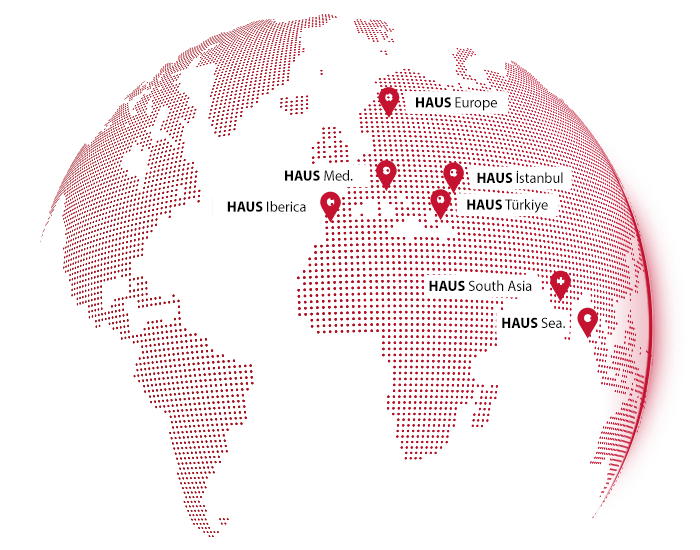
2015 was another milestone for the company because our Southeast Asia Regional office was opened in Malaysia. The palm oil industry played an important role in our decision to open our regional office in Malaysia. As you know, decanter centrifuges and disc stack separators (purifiers) are often used in palm oil mills for oil clarification purposes, and unfortunately, there was not enough competition for centrifuges in the palm oil industry since the centrifuge market had been dominated by iust a few suppliers. This situation intrigued us. We thought palm oil customers would be eager to see a new centrifuge supplier in the industry. Accordingl, we set up our regional office in Malaysia and started our R&D studies for the palm oil industry.
I can say that our R&D studies were concluded very quickly.
As a result of our trials (we conducted studies into different processes at a few different palm oil mills), we could design our palm oil machine configuration, and we sold our very first palm oil decanter to our Malaysian customer in 2018.
Thanks to the high performance of our first machine and the positive feedback of our first customer, we were able to impress our other customers in the region. After 2018, we started to get palm oil decanter orders from both Southeast Asian countries and South America, and we successfully commissioned these machines.
There was further pleasing news for us in 2021. We received our first repeat order from one of our existing Malaysian customers.
This order was of great importance to clinch our success in the industry, and it motivated us significantly.
Today, we continue our R&D studies without interruption to make our success in the palm oil sector permanent.
Could you share with us what are the operational challenges in palm oil mills nowadays? How can
HAUS products help mitigate these challenges?
I can answer your question by giving an example of a topic which has been very popular in recent years. As many of our readers are aware, process contaminants - namely 3-MCPDE
- became a widely discussed issue throughout the palm oil industry in recent years. These esters are formed during the refining of palm oil, especially at upstream stages. To curb and reduce this formation, we redesigned our purifiers. We now offer the combination of our decanters and purifiers to our customers to provide a thoughtful solution. Our decanters are helping to yield maximum oil from underflow sludge while our purifiers are helping to purify the recovered oil. By using our purifiers, more than 95% of the palm oil is obtained while 3-MCPD-causing substances from the oil are reduced.
How does HAUS’ decanter centrifuge differs from other products that offer the same solution?
We decided to do something out of the ordinary while we designed our palm oil decanters and purifiers. In the palm oil industry, both decanter centrifuges and purifiers are supplied with very simple control systems for ease of use. However, we designed our products with advanced control systems where the operation of the machine can be controlled live from the other end of the world. For example, our service engineer who is in our factory can operate our palm oil decanter which is installed in Johor, Malaysia without the need to physically appear at the site. Our system is very detailed, so much so that our service engineer in our factory can even diagnose a loosened cable termination at the site while observing the error in PLC.
Thanks to this system, we have managed to keep all our machines in working condition, especially in the past few years when travel restrictions were very strict and we were not able to travel freely.
3-MCPD ESTERS AND GLYCIDILE COMPONENTS IN PALM OIL
Many foods are subjected to different heat treatments during production. Depending on the process conditions in question, thermal contaminants may occur. While some of these improve the appearance and sensory quality of the food, some may adversely affect the food or have a toxic effect. [2]
3-monochloropropane 1,2-diol (3-MCPD) and glycidyl compounds are foodborne contaminants formed during processing. While 3-MCPD is defined as a carcinogen by the International Agency for Research on Cancer (IARC), glycidyl is defined as a genotoxic carcinogen.. [1]
Figure-1: Harms of 3-MCPD, 3-MCPDE and GE contaminants on human health
According to the research conducted by EFSA (European Union Food Safety Authority); 3-MCPD and glycidyl components are available in acid-hydrolyzed vegetable proteins, soy sauces, chips, snacks, crackers, biscuits, cakes, various bakery products, smoked meat and fish products, baby foods, refined vegetable oils, margarines and animal fats, fried potatoes and similar snack foods, such as coffee various food groups.. [1];[2];(3)
As a result of toxicological studies (EFSA, 2018), it is recommended that the tolerable daily intake amount for 3-MCPD contaminant be determined as 2 µg/kg body weight. [1] With the latest regulation made by the European Commission (2018) in our country, the limit value for glycidyl esters in vegetable oils has been determined as 1 mg/kg. [2]
Figure-2: Chemical structure of 3-MCPD component esterified with fatty acids and Glycidyl ester
In vegetable oils, 3-MCPD and glycidyl contaminants are esterified with fatty acids. When the formation mechanism of 3-MCPD and GE is examined; It has been observed that mono and diglycerides, which are the breakdown products of triglycerides, are converted to GE under high temperature conditions, and 3-MCPD has been found to occur in the presence of a source of chlorine ions in the environment. In addition, 3-MCPD and GE are formed during the refining of crude oils, especially in the deodorization stage where high temperatures such as frying are applied (230-250°C). [1]
Factors such as climate, soil, growing conditions of plants, genotypes, harvesting techniques and process conditions affect the formation level of 3-MCPD and glycidyl esters.
Palm tree absorbs chlorine ions from soil and water while growing, and this situation paves the way for 3-MCPD formation. In addition, the formation of 3-MCPD esters in palm oil is directly related to the oil’s exposure to high temperatures during refining. [2]
The issue of food safety is a major concern in the palm oil industry as it will affect the national income. 3-MCPD and GE are pollutants formed during the refining of palm oil, especially in the deodorization step. Palm oil is among the oils that contain the highest levels of these contaminants of all vegetable oils.
Chlorinated components in the raw material are the most important precursors involved in the formation of 3-MCPD esters. To reduce this formation, chlorine-containing components must be removed from the crude oil prior to refining. Oils can be washed with various solvents to reduce chlorinated components in crude oils. Washing crude vegetable oils with polar solvents (non-chlorinated water or ethanol:water) removes water-soluble chlorine, thus reducing 3-MCPD ester formation. [4]
It is of great importance to know the formation mechanisms of these contaminants in reducing the amounts of 3-MCPD and glycidyl ester in refined vegetable oils. The methods to reduce these contaminants in the studies can be summarized as eliminating the possible components of the contaminants before entering the refining process, controlling the process conditions in the degumming, bleaching, neutralization and deodorization steps of the refining, and minimizing the existing contaminants with different applications after refining. [2]
In vegetable oils, 3-MCPD and Glycidyl contaminants are esterified with fatty acids. It is seen in the studies that; The presence of chlorine ions in the environment increases the formation of 3-MCPD in the neutralization stages. The fact that chlorine is soluble in water/alcohol and the density difference between oil/water has paved the way for the use of centrifugal separators in the process.
Figure-3: HAUS Separator Centrifuge used in vegetable oil refining process
As HAUS Centrifuge Technologies, we produce solutions and conduct research for the removal of 3-MCPD and glycidyl compounds, which are caused by exposure to heat treatment during the production of foods and have serious harm to human health. We are making trials and developments of our machines in order to remove these contaminants, which have carcinogenic effects, from food. As HAUS, in addition to the production of crude palm oil (CPO), we continue our R&D and project studies intensively to prevent the formation of 3-MCPD and GE in the oil that comes out at the end of the process, which threatens human health.
The Malaysian Palm Oil Board has introduced regulations to set higher industry standards and meet new European Union food safety standards.
As of January 1, 2021, the maximum GE content in processed palm kernel oil and processed palm oil is 1 ppm.
For 2021, the maximum content of 3-MCPD in processed palm kernel oil is 1.25 ppm and 2.5 ppm in processed palm oil.
From January 1, 2023, the maximum 3-MCPD level for processed palm oil will be 1.25 ppm.
We aim to provide manufacturers with effective and efficient solutions at different stages of the processes, with our centrifuge equipment and plug/play skid unit that will ensure the limit values determined to ensure food safety and to produce palm oil at international standards.
Şekil-5: HAUS Separator Skid unit design
[1] Sevindirici, G., Özdikicierler, O., & Yemişçioğlu, F. (2018). RAFİNE BİTKİSEL YAĞLARDA 3-MCPD VE GE RİSKİ: YAPISI, OLUŞUM MEKANİZMASI, YASAL DÜZENLEMELERİ VE AZALTILMA YÖNTEMLERİ. Gıda, 43(5), 886-895.
[2] Emektar, K., Erdoğan, M. N. K., & Tekin, A. (2020). Bitkisel Yağlarda 3-Monokloropropan-1, 2-diol (3-MCPD) ve Glisidil Esterleri Oluşumu ve Azaltılması. Akademik Gıda, 18(1), 96-104.
[3] Turan, S., Solak, R., & Keskin, Ş. (2018). Gıdalarda monokloropropandiol esterlerinin oluşumu ve belirlenmesi. Akademik Gıda, 16(2), 210-217.
[4] Kantekin Erdoğan, M. N. Bitkisel yağların rafinasyonunda ön asitlik gidermenin 3-kloropropan-1, 2-diol ve glisidil esterleri oluşumuna etkisi.
METHODS USED FOR REDUCING 3-MCPD AND GLYCIDYL ESTER AMOUNTS IN REFINED VEGETABLE OILS
Many foods are subjected to different heat treatments during production. Depending on the process conditions in question, thermal contaminants may occur. While some of these improve the appearance and sensory quality of the food, some may adversely affect the food or have a toxic effect. [2]
3-monochloropropane 1,2-diol (3-MCPD) and glycidyl compounds are foodborne contaminants formed during processing. While 3-MCPD is defined as a carcinogen by the International Agency for Research on Cancer (IARC), glycidyl is defined as a genotoxic carcinogen.. [1]
Figure-1: Harms of 3-MCPD, 3-MCPDE and GE contaminants on human health
According to the research conducted by EFSA (European Union Food Safety Authority); 3-MCPD and glycidyl components are available in acid-hydrolyzed vegetable proteins, soy sauces, chips, snacks, crackers, biscuits, cakes, various bakery products, smoked meat and fish products, baby foods, refined vegetable oils, margarines and animal fats, fried potatoes and similar snack foods, such as coffee various food groups.. [1];[2];(3)
As a result of toxicological studies (EFSA, 2018), it is recommended that the tolerable daily intake amount for 3-MCPD contaminant be determined as 2 µg/kg body weight. [1] With the latest regulation made by the European Commission (2018) in our country, the limit value for glycidyl esters in vegetable oils has been determined as 1 mg/kg. [2]
Figure-2: Chemical structure of 3-MCPD component esterified with fatty acids and Glycidyl ester
In vegetable oils, 3-MCPD and glycidyl contaminants are esterified with fatty acids. When the formation mechanism of 3-MCPD and GE is examined; It has been observed that mono and diglycerides, which are the breakdown products of triglycerides, are converted to GE under high temperature conditions, and 3-MCPD has been found to occur in the presence of a source of chlorine ions in the environment. In addition, 3-MCPD and GE are formed during the refining of crude oils, especially in the deodorization stage where high temperatures such as frying are applied (230-250°C). [1]
Factors such as climate, soil, growing conditions of plants, genotypes, harvesting techniques and process conditions affect the formation level of 3-MCPD and glycidyl esters.
Palm tree absorbs chlorine ions from soil and water while growing, and this situation paves the way for 3-MCPD formation. In addition, the formation of 3-MCPD esters in palm oil is directly related to the oil’s exposure to high temperatures during refining. [2]
The issue of food safety is a major concern in the palm oil industry as it will affect the national income. 3-MCPD and GE are pollutants formed during the refining of palm oil, especially in the deodorization step. Palm oil is among the oils that contain the highest levels of these contaminants of all vegetable oils.
Chlorinated components in the raw material are the most important precursors involved in the formation of 3-MCPD esters. To reduce this formation, chlorine-containing components must be removed from the crude oil prior to refining. Oils can be washed with various solvents to reduce chlorinated components in crude oils. Washing crude vegetable oils with polar solvents (non-chlorinated water or ethanol:water) removes water-soluble chlorine, thus reducing 3-MCPD ester formation. [4]
It is of great importance to know the formation mechanisms of these contaminants in reducing the amounts of 3-MCPD and glycidyl ester in refined vegetable oils. The methods to reduce these contaminants in the studies can be summarized as eliminating the possible components of the contaminants before entering the refining process, controlling the process conditions in the degumming, bleaching, neutralization and deodorization steps of the refining, and minimizing the existing contaminants with different applications after refining. [2]
In vegetable oils, 3-MCPD and Glycidyl contaminants are esterified with fatty acids. It is seen in the studies that; The presence of chlorine ions in the environment increases the formation of 3-MCPD in the neutralization stages. The fact that chlorine is soluble in water/alcohol and the density difference between oil/water has paved the way for the use of centrifugal separators in the process.
Figure-3: HAUS Separator Centrifuge used in vegetable oil refining process
As HAUS Centrifuge Technologies, we produce solutions and conduct research for the removal of 3-MCPD and glycidyl compounds, which are caused by exposure to heat treatment during the production of foods and have serious harm to human health. We are making trials and developments of our machines in order to remove these contaminants, which have carcinogenic effects, from food. As HAUS, in addition to the production of crude palm oil (CPO), we continue our R&D and project studies intensively to prevent the formation of 3-MCPD and GE in the oil that comes out at the end of the process, which threatens human health.
The Malaysian Palm Oil Board has introduced regulations to set higher industry standards and meet new European Union food safety standards.
As of January 1, 2021, the maximum GE content in processed palm kernel oil and processed palm oil is 1 ppm.
For 2021, the maximum content of 3-MCPD in processed palm kernel oil is 1.25 ppm and 2.5 ppm in processed palm oil.
From January 1, 2023, the maximum 3-MCPD level for processed palm oil will be 1.25 ppm.
We aim to provide manufacturers with effective and efficient solutions at different stages of the processes, with our centrifuge equipment and plug/play skid unit that will ensure the limit values determined to ensure food safety and to produce palm oil at international standards.
Şekil-5: HAUS Separator Skid unit design
[1] Sevindirici, G., Özdikicierler, O., & Yemişçioğlu, F. (2018). RAFİNE BİTKİSEL YAĞLARDA 3-MCPD VE GE RİSKİ: YAPISI, OLUŞUM MEKANİZMASI, YASAL DÜZENLEMELERİ VE AZALTILMA YÖNTEMLERİ. Gıda, 43(5), 886-895.
[2] Emektar, K., Erdoğan, M. N. K., & Tekin, A. (2020). Bitkisel Yağlarda 3-Monokloropropan-1, 2-diol (3-MCPD) ve Glisidil Esterleri Oluşumu ve Azaltılması. Akademik Gıda, 18(1), 96-104.
[3] Turan, S., Solak, R., & Keskin, Ş. (2018). Gıdalarda monokloropropandiol esterlerinin oluşumu ve belirlenmesi. Akademik Gıda, 16(2), 210-217.
[4] Kantekin Erdoğan, M. N. Bitkisel yağların rafinasyonunda ön asitlik gidermenin 3-kloropropan-1, 2-diol ve glisidil esterleri oluşumuna etkisi.